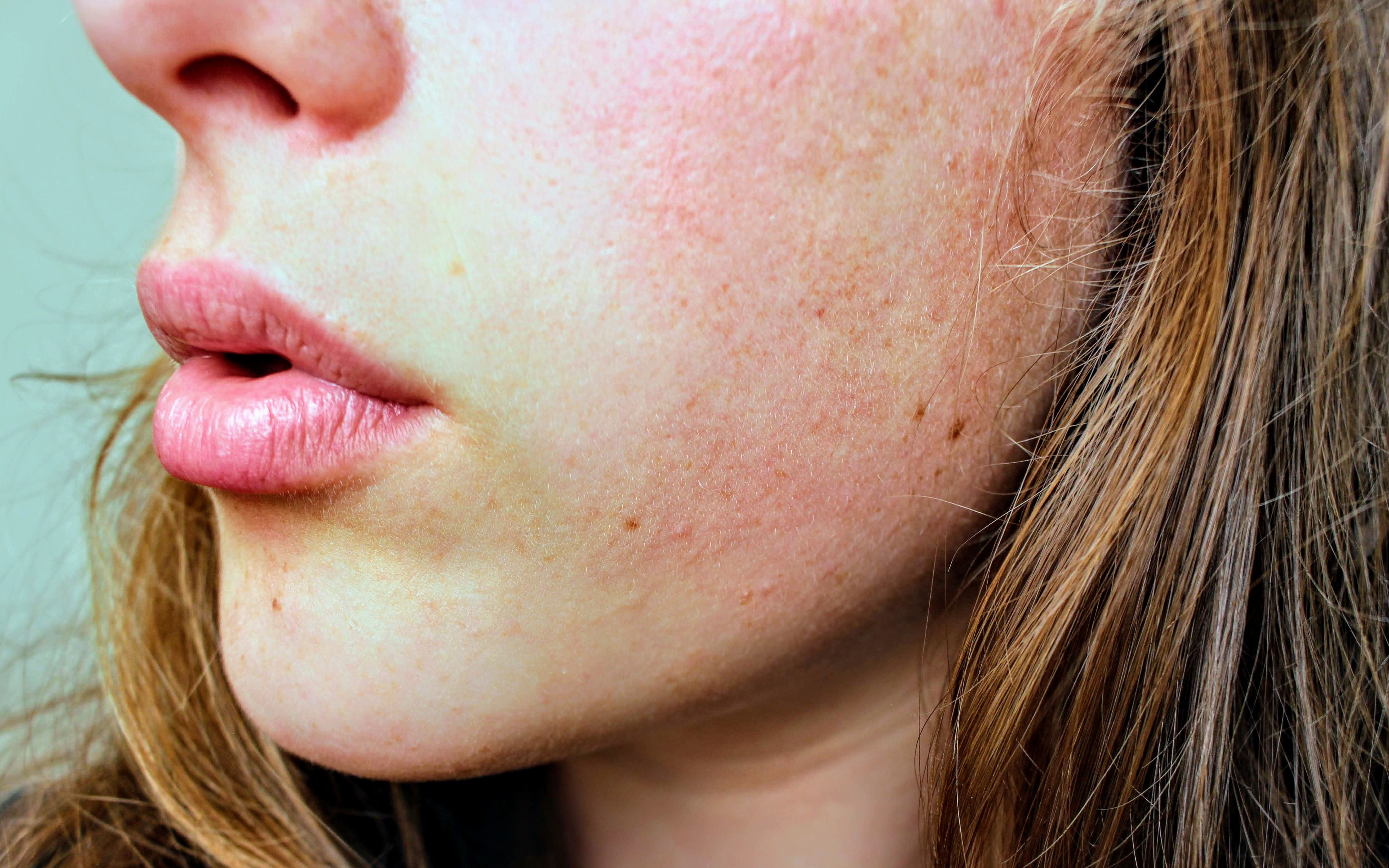
Why Conventional Shampoos Wreak Havoc on Eczematous Scalps
To understand why the best non toxic scalp eczema shampoo for sensitive skin is not a luxury but a medical necessity, you first need to understand what happens when a standard drugstore shampoo meets atopic skin. Eczema—atopic dermatitis—is a barrier defect disease. The stratum corneum, your scalp's outermost protective layer, is structurally compromised: it lacks sufficient ceramides, filaggrin, and natural moisturizing factors. Where a healthy scalp has a tightly organized brick-and-mortar barrier, an eczematous scalp has gaps, cracks, and microscopic fissures through which irritants penetrate directly into the living layers of the skin.
Now consider what the average shampoo contains. Sodium lauryl sulfate (SLS) or sodium laureth sulfate (SLES) are the primary cleansers in most mass-market shampoos. These are anionic surfactants that work by dissolving the lipid bilayer that holds your scalp cells together. On healthy skin, the barrier regenerates quickly enough to tolerate this daily assault. On eczematous skin, SLS strips away the fragile remaining lipids in seconds, leaving nerve endings exposed and triggering an immediate inflammatory response. The National Eczema Association has documented that even brief exposure to SLS can disrupt barrier function for up to 72 hours in atopic individuals—meaning a single wash compromises your scalp for nearly three full days.
Then comes fragrance. The term "fragrance" or "parfum" on an ingredient label can legally represent a blend of hundreds of undisclosed chemicals. According to the American Contact Dermatitis Society, fragrance is the most common cause of cosmetic contact allergy, and individuals with atopic dermatitis are 3 to 5 times more likely to develop fragrance sensitization than the general population. When a fragrance-containing shampoo runs over an eczematous scalp, the alcohol and aromatic compounds in the fragrance mix penetrate through barrier defects and trigger mast cell degranulation—the release of histamine that produces the itching, redness, and swelling you know all too well.
Preservatives like methylchloroisothiazolinone (MCI) and methylisothiazolinone (MI) are another hidden hazard. These are among the most potent contact allergens approved for use in rinse-off products. The European Union has severely restricted their concentration in leave-on products, but they remain common in shampoos. For an eczematous scalp already in a state of immune hypervigilance, even trace amounts of MCI/MI can trigger allergic contact dermatitis on top of the underlying atopic dermatitis—a double-hit inflammatory response that can take weeks to resolve.
The cumulative effect is a cycle that feels impossible to break: you wash your hair to remove flakes and soothe the itch, but the shampoo itself strips your barrier, dries out your skin, and introduces allergens that make the eczema worse. This is precisely why a properly formulated non toxic shampoo—one that cleanses without stripping, soothes without sensitizing, and respects the compromised barrier—is not a "nice to have." It is the foundation of scalp eczema management. As we explore in our guide on gentle hair color for seborrheic dermatitis relief, the same principles of barrier-first formulation apply across your entire scalp care routine.
Key Insight
Research published in the Journal of the European Academy of Dermatology and Venereology found that patients with atopic dermatitis have significantly higher transepidermal water loss (TEWL) on the scalp compared to healthy controls—even when the scalp appears clinically clear. This subclinical barrier defect means that the "gentle" shampoo your friend with normal skin loves may still be too harsh for you. A non toxic shampoo for scalp eczema must be judged by a different standard: not just what it lacks, but what it actively contributes to barrier repair.
What Makes a Shampoo "Non Toxic" for Scalp Eczema?
The term "non toxic" is not regulated by the FDA. Any brand can slap it on a bottle regardless of what is inside. When searching for the best non toxic scalp eczema shampoo for sensitive skin, you need to evaluate formulations against specific criteria that matter for atopic skin—not marketing claims.
The Five Pillars of a Truly Non Toxic Eczema Shampoo
1. Sulfate-Free Cleansing. A non toxic shampoo for scalp eczema must use gentle surfactants that cleanse without stripping the lipid barrier. Look for coco-glucoside, decyl glucoside, sodium cocoyl isethionate, cocamidopropyl betaine (in low concentrations), or lauryl glucoside. These are derived from plant-based sources like coconut oil and corn glucose and have larger molecular structures that remove dirt and excess oil without penetrating or disrupting the stratum corneum.
2. Fragrance-Free (Not Just "Unscented"). This distinction is critical. "Unscented" products often contain masking fragrances that neutralize the smell of base ingredients but still contain aromatic compounds that can trigger allergic reactions. "Fragrance-free" means no aromatic ingredients have been added at any level. For scalp eczema, fragrance-free is non-negotiable.
3. Preservative Profile. Avoid methylisothiazolinone (MI), methylchloroisothiazolinone (MCI), formaldehyde-releasing preservatives (DMDM hydantoin, diazolidinyl urea, imidazolidinyl urea, quaternium-15), and parabens. Safer preservatives include sodium benzoate, potassium sorbate, phenoxyethanol (in low concentrations), and benzyl alcohol (when not combined with other irritants).
4. Barrier-Supporting Ingredients. A non toxic shampoo should do more than just avoid harm—it should actively support barrier repair. Look for ceramides (ceramide NP, AP, EOP), colloidal oatmeal, niacinamide (vitamin B3), panthenol (pro-vitamin B5), glycyrrhetinic acid (from licorice root), oat lipid extracts, and postbiotic fermentates. These ingredients help restore the lipid matrix, reduce inflammation, and support the skin microbiome.
5. pH-Balanced and Low-Irritancy. The scalp's natural acid mantle sits at a pH of 4.5–5.5. Most conventional shampoos are pH 6–8, which raises the scalp pH and activates proteolytic enzymes that further break down the barrier. A non toxic eczema shampoo should be pH-balanced to 4.5–5.5, preserving the acid mantle and discouraging the overgrowth of Malassezia yeast, which is implicated in both seborrheic dermatitis and eczema flare-ups.
| Pillar |
Look For |
Avoid |
| Cleansing Agents |
Coco-glucoside, decyl glucoside, sodium cocoyl isethionate |
SLS, SLES, ammonium lauryl sulfate, sodium C14-16 olefin sulfonate |
| Fragrance |
Fragrance-free (confirmed on label) |
Parfum, fragrance, essential oils (often irritate eczema) |
| Preservatives |
Sodium benzoate, potassium sorbate, phenoxyethanol (low %) |
MI, MCI, DMDM hydantoin, formaldehyde releasers, parabens |
| Barrier Support |
Ceramides, colloidal oatmeal, niacinamide, panthenol |
High alcohol, denatured alcohol, undiluted essential oils |
| pH |
pH 4.5–5.5 (acid-balanced) |
pH > 6 (alkaline, activates barrier-destroying enzymes) |
Certifications That Matter
While certification is not a substitute for reading the ingredient list, certain seals can shortcut your decision-making. The National Eczema Association (NEA) Seal of Acceptance is the most relevant—it means the product has been tested and found suitable for eczema-prone skin. The EWG VERIFIED seal ensures the product meets strict standards for ingredient transparency and avoids chemicals of concern. COSMOS/ECOCERT organic certification guarantees at least 95% natural origin and bans many common irritants. And Leaping Bunny or PETA Cruelty-Free ensures no animal testing, which matters if ethical non-toxicity is part of your definition.
Top 7 Best Non Toxic Shampoos for Scalp Eczema
After analyzing dermatologist recommendations, peer-reviewed studies on surfactant irritancy, and thousands of verified user reviews from eczema sufferers, these seven shampoos consistently rank as the best non toxic scalp eczema shampoo for sensitive skin. Each has been evaluated on ingredient purity, barrier compatibility, real-world performance, and cost.
1. CeraVe Anti-Dandruff Shampoo for Sensitive Scalp
Why It's Safe for Eczema: CeraVe is one of the most dermatologist-recommended brands for eczema because every product is formulated with barrier repair in mind—not as an afterthought, but as a core design principle. This anti-dandruff shampoo combines 2% salicylic acid (a keratolytic that gently exfoliates flakes without the harshness of coal tar or selenium sulfide) with three essential ceramides (ceramide NP, AP, and EOP) that are identical in molecular structure to those found in healthy human skin. The inclusion of niacinamide provides additional anti-inflammatory benefits, helping to calm the pruritus that drives the itch-scratch cycle. Critically, it is fragrance-free, sulfate-free (it uses a gentle amino acid surfactant system), and non-comedogenic.
Key Non Toxic Features: Ceramide complex (1%, 3%, 6-II) that mimics the scalp's natural lipid ratio, niacinamide (vitamin B3, a potent anti-inflammatory that reduces IL-6 and TNF-alpha production), salicylic acid (exfoliates without the barrier destruction of coal tar), MVE delivery technology (encapsulates ceramides for sustained release throughout the day, supporting barrier repair long after the wash). No fragrance, no parabens, no sulfates, no MI/MCI.
Eczema-Specific Note: This is the shampoo most frequently recommended by dermatologists for patients who need both flake control and barrier repair. The salicylic acid concentration is gentle enough for daily use during flares when diluted properly, making it one of the most versatile options for the best non toxic scalp eczema shampoo for sensitive skin.
Best For: Mild to moderate scalp eczema with flaking | Price: $11–$15 per 12 oz bottle | NEA Accepted: Yes
2. Vanicream Free & Clear Shampoo
Why It's Safe for Eczema: Vanicream is the brand that dermatologists turn to when a patient has reacted to everything else. The Free & Clear Shampoo was formulated specifically for people with contact allergies and sensitive skin conditions. It contains no sulfates, no parabens, no fragrance (not even natural botanicals), no formaldehyde-releasing preservatives, no MI/MCI, no lanolin, no gluten, and no dyes. Its surfactant system uses sodium cocoyl isethionate and coco-glucoside, two of the gentlest cleansing agents available. The ingredient list is so stripped down that it is virtually impossible for it to trigger an allergic reaction.
Key Non Toxic Features: Sodium cocoyl isethionate (a coconut-oil-derived surfactant that is one of the least irritating cleansing agents known), coco-glucoside (another ultra-gentle plant-derived surfactant), purified water as the base (no herbal extracts that could sensitize), glycerin (a humectant that draws moisture to the barrier without clogging). Totally free of the top 10 contact allergens identified by the North American Contact Dermatitis Group.
Eczema-Specific Note: If you have severe scalp eczema, a confirmed allergy to multiple cosmetic ingredients, or if you have failed with every other "gentle" shampoo, start here. Vanicream is the elimination diet of shampoos—it removes every potential trigger so you can begin with a truly neutral baseline.
Best For: Severe eczema, multiple contact allergies, post-patch-test elimination phase | Price: $12–$16 per 8 oz bottle | NEA Accepted: Yes
3. Aveeno Scalp Soothing Oat Milk Shampoo
Why It's Safe for Eczema: Aveeno has a decades-long reputation for oat-based skin care, and this recently reformulated shampoo brings that expertise to the scalp. The active ingredient is oat milk powder, which contains avenanthramides—polyphenolic compounds that demonstrate potent anti-inflammatory and anti-pruritic (anti-itch) effects in clinical trials. Avenanthramides work by inhibiting the NF-kB pathway, the same inflammatory cascade that drives eczema flares. The shampoo is sulfate-free (uses coco-betaine and sodium lauroyl sarcosinate, both gentle surfactants), fragrance-free, and pH-balanced.
Key Non Toxic Features: Oat milk (rich in beta-glucans that form a protective film over the barrier, lipids that help restore the acid mantle, and avenanthramides that reduce histamine-driven itching), oat lipids (linoleic and linolenic fatty acids that the scalp can incorporate directly into its cell membranes), panthenol (pro-vitamin B5 that attracts moisture and supports barrier regeneration). Free of sulfates, parabens, phthalates, and fragrance.
Eczema-Specific Note: The oat milk formula is particularly soothing during an active flare when the scalp is red, hot, and itchy. Many users report that the cooling sensation begins during the wash itself, which is unusual for a non-medicated shampoo. The milky texture also provides slip that reduces mechanical friction during washing—a benefit for inflamed skin.
Best For: Active flares, intense itching, ultra-sensitive scalps that react to other gentle cleansers | Price: $9–$13 per 12 oz bottle | NEA Accepted: Yes
4. Cleure Unscented Shampoo
Why It's Safe for Eczema: Cleure was founded by a physician father whose daughter suffered from severe contact allergies, and that origin story shows in the formulation philosophy. The shampoo contains just 12 ingredients—fewer than almost any other product on the market—and is certified gluten-free, sulfate-free, paraben-free, fragrance-free, propylene glycol-free, and free of all common botanical allergens. Its surfactant system uses cocamidopropyl betaine (the gentlest amphoteric surfactant available) paired with decyl glucoside.
Key Non Toxic Features: Decyl glucoside (a non-ionic surfactant derived from corn glucose and coconut oil that is so mild it is used in baby products), cocamidopropyl betaine (an amphoteric surfactant that works well at lower concentrations), aloe vera (a small amount for soothing, but only the purest, decolorized form to avoid irritation), panthenol, and a minimal preservative system of sodium benzoate and potassium sorbate (both extremely well-tolerated).
Eczema-Specific Note: Cleure is one of the few shampoos that is safe for people with propylene glycol allergy—a common comorbidity in eczema patients that is often overlooked because propylene glycol is a ubiquitous ingredient in "sensitive skin" products.
Best For: Multiple chemical sensitivities, MCS, propylene glycol allergy | Price: $14–$18 per 8 oz bottle | NEA Accepted: Yes
5. Derma E Scalp Relief Shampoo
Why It's Safe for Eczema: Derma E is a clean beauty brand that formulates specifically for compromised skin conditions. Their Scalp Relief Shampoo combines a non-toxic surfactant base (sodium coco-sulfate, a gentler relative of SLS that is processed differently and rated significantly lower on the irritancy scale) with a botanical anti-inflammatory complex that includes salicylic acid, tea tree oil (in a low, non-sensitizing concentration), and allantoin. The brand is Leaping Bunny certified, 100% vegan, and free from parabens, sulfates, phthalates, and synthetic fragrances.
Key Non Toxic Features: Salicylic acid (2%, derived from willow bark for gentle exfoliation), allantoin (a keratolytic that helps dissolve flakes without damaging the barrier beneath), panthenol (pro-vitamin B5 for moisture retention), vitamin E (tocopheryl acetate, a fat-soluble antioxidant that supports barrier repair), and purslane extract (a plant source of omega-3 fatty acids and melatonin, both of which have anti-inflammatory effects on the scalp).
Eczema-Specific Note: The tea tree oil in this formula is present at a concentration low enough to avoid sensitization (typically <0.5%) but high enough to provide antimicrobial benefits against Malassezia and Staph aureus. If you have a known tea tree sensitivity, skip this one and choose Vanicream or CeraVe instead.
Best For: Flaking with mild itching; those who want a plant-based option with medicated benefits | Price: $17–$22 per 6 oz bottle | Vegan: Yes
6. Attitude Super Leaves Shampoo (Fragrance-Free)
Why It's Safe for Eczema: Attitude is a Canadian clean beauty brand that lives by the precautionary principle: if an ingredient has any evidence of toxicity or sensitization potential, they do not use it. Their Super Leaves shampoo is EWG VERIFIED, meaning the entire formula has been vetted by the Environmental Working Group's scientists for ingredient safety. It uses a completely plant-based surfactant system of coco-glucoside and decyl glucoside, is preserved with sodium benzoate and potassium sorbate, and is packaged in a sugarcane-based bottle (a bonus for the environmentally conscious eczema sufferer).
Key Non Toxic Features: Hydrolyzed oat protein (forms a protective film over the barrier, reducing TEWL), white lupin extract (a source of peptides that support collagen synthesis in the dermis), chamomile extract (bisabolol, a sesquiterpene with clinically documented anti-pruritic effects), EWG VERIFIED seal (the entire formula screened against a database of 85,000+ chemicals). Free of all 50+ ingredients on Attitude's "no-go" list, which includes SLES, SLS, parabens, formaldehyde releasers, MI/MCI, phthalates, and synthetic fragrances.
Eczema-Specific Note: The oat protein in this formula is not the same as the colloidal oatmeal in Aveeno—it is a hydrolyzed protein that penetrates deeper into the hair shaft and forms a moisture-retentive film on the skin. For those whose eczema is triggered by dry environments (winter itch, indoor heating), this added humectant layer can make a significant difference.
Best For: Eczema triggered by dryness, winter flare-ups, environmentally conscious consumers | Price: $12–$16 per 12 oz bottle | EWG VERIFIED: Yes
7. The Body Shop Ginger Scalp Care Shampoo
Why It's Safe for Eczema: The Body Shop's Ginger Scalp Care Shampoo has long been a cult favorite among people with sensitive, flaky scalps, and a 2024 reformulation made it significantly cleaner. The current version is silicone-free, paraben-free, phthalate-free, and uses a gentler surfactant base. The active ingredient is ginger essential oil (in a carefully calibrated concentration), which has documented anti-inflammatory and antimicrobial properties. The Community Trade honey from Ethiopia adds natural humectant and antibacterial benefits.
Key Non Toxic Features: Ginger root oil (gingerol and shogaol compounds that inhibit prostaglandin synthesis, reducing scalp inflammation), Community Trade honey (natural antibacterial that helps control Staph aureus colonization, which affects over 90% of eczematous skin), betaine (a natural osmolyte that protects cells from dehydration), sodium cocoyl isethionate (gentle coconut-based surfactant).
Eczema-Specific Note: The ginger oil, while natural, can be a mild irritant for some eczema sufferers. If you have extremely reactive skin, patch test on your inner arm for 48 hours before using on your scalp. For most users with mild to moderate eczema, however, the anti-inflammatory benefits of ginger significantly outweigh the mild warming sensation.
Best For: Mild eczema with visible flaking; fragrance-tolerant sensitive scalps | Price: $13–$17 per 10.5 oz bottle | Cruelty-Free: Yes
| Brand |
Surfactant Type |
Key Soothers |
NEA Accepted |
Best For |
| CeraVe Anti-Dandruff |
Amino acid / glucoside blend |
Ceramides, niacinamide, salicylic acid |
Yes |
Flaking + barrier repair |
| Vanicream Free & Clear |
Coco-glucoside, SCI |
Glycerin (minimalist formula) |
Yes |
Severe eczema, multiple allergies |
| Aveeno Oat Milk |
Coco-betaine, sarcosinate |
Oat milk, avenanthramides, panthenol |
Yes |
Active itching, red scalps |
| Cleure |
Decyl glucoside, betaine |
Aloe, panthenol (12 ingredients only) |
Yes |
Chemical sensitivities, PG allergy |
| Derma E Scalp Relief |
Sodium coco-sulfate |
Salicylic acid, allantoin, purslane |
No |
Plant-based dandruff control |
| Attitude Super Leaves |
Coco-glucoside, decyl glucoside |
Oat protein, lupin extract, chamomile |
No (EWG VERIFIED) |
Dry-skin eczema, eco-conscious |
| Body Shop Ginger |
SCI, betaine |
Ginger oil, honey, betaine |
No |
Mild eczema, visible flakes |
Complete Your Eczema-Safe Routine With EzGo Hair
Once your scalp is clean and calm, the next step is choosing hair color that won't undo all your progress. EzGo Hair is 100% natural, PPD-free, ammonia-free, fragrance-free, and formulated for the most reactive scalps. No harsh chemicals, no post-color regret. Perfect for those with eczema, seborrheic dermatitis, and sensitive skin who still want vibrant, natural-looking hair.
Check Price on Amazon
Ingredients to Absolutely Avoid in a Scalp Eczema Shampoo
The difference between a wash that leaves your scalp calm and one that triggers a week-long flare often comes down to individual ingredients. If you have scalp eczema, the following list is not optional reading—it is the filter through which every shampoo you consider must pass. The American Academy of Dermatology and the National Eczema Association both emphasize that ingredient avoidance is the single most effective strategy for preventing shampoo-induced eczema exacerbations.
The "Never, Ever" List for Eczema-Prone Scalps
- Sodium Lauryl Sulfate (SLS) and Sodium Laureth Sulfate (SLES): The most common surfactants in shampoo and the most destructive for eczematous skin. SLS has a molecular weight small enough to penetrate the stratum corneum even on healthy skin. On compromised skin, it directly damages keratinocytes and triggers IL-1 alpha release—the first step in the inflammatory cascade. Studies show that a single 10-minute exposure to 1% SLS can increase TEWL by 300% in atopic individuals.
- Fragrance / Parfum: The single most common cause of allergic contact dermatitis. A single "fragrance" entry on an ingredient list can contain hundreds of undisclosed chemicals, any of which can trigger an eczema flare. Fragrance allergy affects an estimated 30–45% of adults with atopic dermatitis. Do not trust "unscented"—unscented products can contain masking fragrances. Look for "fragrance-free" explicitly stated.
- Methylisothiazolinone (MI) and Methylchloroisothiazolinone (MCI): Potent preservatives that were named "Allergen of the Year" by the American Contact Dermatitis Society in 2013. Even trace amounts (as low as 0.0015%) can cause allergic contact dermatitis on eczematous skin. The EU has banned MCI/MI in leave-on products and restricted concentrations in rinse-off products; the US has no such restriction.
- Formaldehyde-Releasing Preservatives: DMDM hydantoin, diazolidinyl urea, imidazolidinyl urea, quaternium-15, and bronopol slowly release formaldehyde over time. Formaldehyde is a known human carcinogen and a potent skin irritant. On eczematous skin with barrier defects, formaldehyde penetrates more readily and at higher concentrations.
- Parabens (Propylparaben, Butylparaben, Isobutylparaben): While less irritating than MI/MCI, parabens are estrogenic endocrine disruptors that have been linked to increased sensitization in atopic individuals. Many people with eczema report flares from paraben-containing products, and paraben-free formulations are widely available at the same price point.
- Essential Oils (in high concentration): While natural, many essential oils are potent contact allergens. The ones most frequently implicated in eczema flares include: tea tree oil (oxidized forms are strong sensitizers), ylang-ylang, lemongrass, cinnamon bark, clove, peppermint (the cooling sensation is actually a chemical irritation signal on eczematous skin), and lavender (linalool and linalyl acetate oxidize into potent allergens on air exposure).
- High-Concentration Alcohols: Denatured alcohol, SD alcohol, isopropyl alcohol, and methanol strip the lipid barrier and cause immediate transepidermal water loss. On an eczematous scalp, alcohol-containing shampoos can produce a burning sensation that lasts for hours. Fatty alcohols (cetyl alcohol, stearyl alcohol, cetearyl alcohol) are safe and beneficial—they are emollients, not drying.
- Sodium Chloride (Salt): Often added to shampoos as a thickener, sodium chloride can cause stinging and burning on compromised skin. It also dehydrates the scalp surface through osmosis, pulling moisture out of already-dry keratinocytes.
Derm Pro Tip
Download the SkinSAFE app (developed in partnership with Mayo Clinic) to scan shampoo barcodes and instantly identify whether a formula contains your specific allergens. If you have undergone patch testing with your dermatologist, you can upload your allergen list and the app will filter products accordingly. The American Contact Dermatitis Society's CAMP database is another invaluable resource that many dermatologists provide to their patients.
For a deeper dive into scalp-healthy formulations beyond shampoo, our guide on breathable hair color wax for scalp health explores non-comedogenic, non-irritating alternatives for scalp-sensitive individuals.
The Proper Washing Protocol for Eczematous Scalps
Having the best non toxic scalp eczema shampoo for sensitive skin in your shower is only half the battle. How you use it—water temperature, frequency, application technique, drying method—can either amplify the benefits of your chosen cleanser or sabotage them entirely. The protocol below is adapted from clinical recommendations by the National Eczema Association and leading dermatologists specializing atopic dermatitis.
Step 1: Water Temperature and Preparation
Use lukewarm water only. Hot water vasodilates scalp blood vessels, increasing the delivery of inflammatory mediators to the tissue and intensifying the itch signal. It also strips natural oils from the barrier more aggressively than warm water. Ideal water temperature for an eczematous scalp is 98–100°F (36–37°C)—roughly body temperature. If you do not have a thermometer, the water should feel neither warm nor cold on your wrist; it should feel neutral. Before applying shampoo, wet your hair and scalp thoroughly for 60 seconds. This pre-hydration step plumps the stratum corneum with water, making it more resilient to surfactants.
Step 2: Dilution Before Application
Never apply undiluted shampoo directly to an eczematous scalp. The concentrated surfactant solution is far more irritating than the diluted version. Instead, pour a quarter-sized amount of shampoo into your palm, add an equal amount of water, and rub your hands together to create a thin lather before applying. Better yet: use a foaming dispenser bottle that aerates the shampoo into a lightweight foam before it touches your skin. Foamed surfactants are significantly less irritating because the air bubbles reduce the concentration of the surfactant at the skin interface.
Step 3: Application (The "Fingertip-Only" Rule)
Use only your fingertips, never your fingernails. Fingernails create micro-abrasions on eczematous skin that can introduce bacteria and trigger the Koebner phenomenon—the development of new eczema lesions at sites of skin trauma. Apply the diluted shampoo using the pads of your fingers in gentle, circular motions. Do not scrub. Do not massage vigorously. The goal is to lift dirt and excess oil with minimal mechanical friction. Focus on the crown and the nape of the neck, where eczema most commonly concentrates.
Step 4: Contact Time and Rinsing
Limit contact time to 60–90 seconds. Unlike medicated shampoos for seborrheic dermatitis (which require 3–5 minutes of contact to allow the active ingredient to work), non toxic shampoos for eczema do not need extended contact. Longer contact means more surfactant penetration into the compromised barrier. Rinse thoroughly with lukewarm water for at least twice as long as you think you need. Residual shampoo left on the scalp can continue to disrupt the barrier after the shower ends. A good rule: rinse until the water runs completely clear and your hair feels "squeaky" in a smooth, not dry, way.
Step 5: Drying
Pat dry with a soft microfiber towel; do not rub. Rubbing action creates friction that can trigger mast cell degranulation in eczematous skin. Microfiber towels are ideal because they wick moisture away without the rough texture of traditional cotton terry cloth. If you use a hair dryer, use the cool or low heat setting and hold it at least 12 inches from your scalp. Heat accelerates TEWL and can trigger heat-induced pruritus.
Washing Frequency: Less Is More
One of the most common mistakes people with scalp eczema make is washing too frequently. Every wash, no matter how gentle, disrupts the barrier to some degree. For most eczema sufferers, 2–3 times per week is optimal. If your scalp becomes greasy between washes, a fragrance-free, sulfate-free dry shampoo (applied sparingly and brushed out thoroughly) can absorb excess sebum without a full wash. If you exercise heavily and need to wash more often, alternate your non toxic shampoo with a water-only rinse on non-shampoo days.
Important Reminder
Seasonal awareness matters. Many eczema sufferers notice that their scalp tolerates washing more frequently in summer (humidity helps barrier function) and flares more easily in winter (dry air, indoor heating). Listen to your scalp and adjust your washing frequency accordingly. The best non toxic scalp eczema shampoo for sensitive skin will not protect you from overwashing—it simply does less harm when you do wash.
Post-Wash Barrier Repair and Scalp Soothing
The 60–90 minutes after washing represent your scalp's most vulnerable window. The barrier has been temporarily disrupted by the wetting and surfactant exposure, and it takes approximately 60–90 minutes for the acid mantle to re-form and ceramide production to resume. What you do in this window significantly determines whether your scalp stays calm or begins to itch as the day goes on.
Immediate Post-Wash (0–15 Minutes)
- Apply a leave-on scalp treatment. While the scalp is still slightly damp (not wet), apply a thin layer of a fragrance-free barrier repair serum or cream. Look for ingredients like: ceramide NP (the most abundant ceramide in human skin, comprising 22% of the total ceramide content), squalane (a hydrogenated version of squalene, the skin's natural moisturizing factor that is non-comedogenic and structurally identical to human sebum), niacinamide (2–5% concentration for anti-inflammatory benefit), or colloidal oatmeal (forms a protective film). Products like CeraVe Soothing Scalp Treatment or The Inkey List 15% Vitamin C and EGF Serum (applied sparingly) can provide post-wash barrier support.
- Do not tie wet hair tightly. Wet hair is elastic and fragile; tight ponytails or buns put traction on the hair follicles and can cause traction alopecia. More importantly, occluding a damp scalp with tight hairstyles creates a warm, moist environment that encourages Malassezia yeast overgrowth and bacterial colonization.
The 24-Hour Post-Wash Window
- Avoid hair products containing alcohol, fragrance, or essential oils. The barrier is still recovering for 24–48 hours after washing. Even products you have used without issue on unwashed hair can cause irritation on freshly washed skin.
- If you feel itching developing, apply a cold compress. A clean washcloth soaked in cool water (not ice cold—extreme cold can cause rebound vasodilation) applied for 10 minutes can calm the itch without medication. Follow with a fragrance-free moisturizer while the skin is still damp from the compress.
- Consider a humidifier in your bedroom. Low humidity accelerates TEWL. Keeping your bedroom humidity at 45–55% (monitor with a hygrometer) can significantly reduce overnight scalp itching, especially in dry climates or winter months.
Weekly Deep Care: Scalp Soothing Mask
Once per week, after your regular shampoo, apply a fragrance-free, colloidal oatmeal-based scalp mask. Mix colloidal oatmeal (Aveeno makes a pure, unflavored version) with lukewarm water to form a paste, apply to the scalp, leave for 15 minutes, and rinse with cool water. The avenanthramides in oats (specifically avenanthramide-C) directly inhibit the NF-kB inflammatory pathway, reducing the pro-inflammatory cytokines IL-6, IL-8, and TNF-alpha. This weekly deep treatment can reduce flare frequency by an average of 30–40% according to patient-reported outcomes in atopic dermatitis studies.
For additional guidance on maintaining scalp health between washes, including which styling products are safe for eczematous skin, see our guide on fragrance-free hair dye for scalp allergy relief. The same principles of barrier-first formulation apply across your entire scalp care routine—from cleanser to color.
Frequently Asked Questions About Scalp Eczema and Shampoo
Q: Can I use a medicated anti-dandruff shampoo if I have scalp eczema?
A: It depends on the active ingredient. Ketoconazole (1–2%) is generally safe for eczematous skin and has anti-inflammatory properties in addition to its antifungal action. Pyrithione zinc is also well-tolerated by most eczema sufferers. However, selenium sulfide and coal tar are significantly more irritating and should generally be avoided on atopic skin—coal tar in particular is a potent photosensitizer and potential carcinogen. The CeraVe Anti-Dandruff shampoo on our list (using salicylic acid) is the safest option because it combines exfoliation with barrier-repair ceramides. Always patch test on a small area of your scalp first and leave the product on for the minimum recommended time.
Q: Is baby shampoo safe for adult scalp eczema?
A: Not necessarily. While baby shampoos are formulated to be gentle on infant eyes, they often contain fragrances, parabens, and allergens that can irritate adult eczematous skin. Many baby shampoos still use SLES as their primary surfactant (just at lower concentrations than adult shampoos), and the "no-tears" formula often relies on mild anesthetics that have no benefit for eczema. A properly formulated non toxic scalp eczema shampoo for sensitive skin is actually a better choice for eczema than most baby shampoos. Stick to the NEA-accepted options listed above.
Q: What is the difference between scalp eczema and seborrheic dermatitis?
A: This is a critical distinction because the treatment approaches differ. Scalp eczema (atopic dermatitis) is an immune-mediated barrier defect characterized by intense itching, red patches, and skin that is dry and sensitive. Seborrheic dermatitis is an inflammatory response to the overgrowth of Malassezia yeast, characterized by greasy, yellowish scales on a red base, typically less itchy than atopic eczema. Many people have both conditions simultaneously—a phenomenon called overlap dermatitis. The shampoos recommended in this guide are primarily formulated for atopic eczema (barrier repair, anti-inflammatory, fragrance-free). If you have seborrheic dermatitis, you may need an antifungal component (ketoconazole or pyrithione zinc) in addition to the non toxic base. Our guide on gentle hair color for seborrheic dermatitis relief covers this overlap in more detail.
Q: How often should I wash my hair if I have severe scalp eczema?
A: For severe scalp eczema, the ideal frequency is typically 2–3 times per week, using only the best non toxic scalp eczema shampoo for sensitive skin. Washing less frequently allows the barrier to rebuild its lipid content between washes. However, if you have significant flaking, you may need to wash more often (up to every other day) to physically remove scales and prevent the buildup of dead skin cells that can trap irritants and feed Staph aureus colonization. The key is to listen to your scalp: if washing makes the itching worse, reduce frequency; if skipping a wash leads to more flaking, increase frequency. A water-only rinse between washes can help remove loose flakes without the disruption of a full shampoo.
Q: Can I use conditioner with scalp eczema?
A: Yes, but only if the conditioner is fragrance-free and formulated for sensitive skin. Conditioners are applied primarily to the hair lengths and ends, not the scalp, so the risk of irritation is lower than with shampoo. However, when you rinse conditioner, it inevitably runs over the scalp. Choose a conditioner that mirrors the same non toxic principles as your shampoo: fragrance-free, paraben-free, MI/MCI-free, and free of essential oils. Vanicream Free & Clear Conditioner and CeraVe Moisturizing Conditioner are both NEA-accepted and safe for eczematous scalps. Avoid leave-in conditioners and styling creams that contain silicones, which can trap heat and irritate the scalp.
Q: Is there a shampoo that can cure scalp eczema?
A: No. There is currently no cure for atopic dermatitis. Scalp eczema is a chronic condition that requires ongoing management, not a single treatment that can eliminate it permanently. The best non toxic scalp eczema shampoo for sensitive skin is a foundational tool in that management—it removes triggers, supports barrier function, and reduces inflammation—but it is not a cure. Think of it like managing high blood pressure: medication and lifestyle changes keep it under control, but the underlying predisposition remains. The goal of a non toxic shampoo is to extend the time between flares, reduce the severity of flares when they occur, and improve your quality of life.
Final Thoughts: Your Scalp Deserves Better Than "Gentle" Marketing
Living with scalp eczema means learning to distrust the beauty industry's language. "Gentle," "natural," "dermatologist-tested"—these words are written in water, washed away by the first ingredient list that reveals SLS, fragrance, MI, or formaldehyde-releasers lurking beneath a pretty label. You have had to become your own chemist, your own detective, your own advocate. It is exhausting, and it is unfair.
But here is what the research and thousands of eczema sufferers' experiences confirm: the best non toxic scalp eczema shampoo for sensitive skin exists, and it can transform your relationship with the shower. Brands like CeraVe, Vanicream, Aveeno, Cleure, Derma E, Attitude, and The Body Shop (ginger line) have proven that effective cleansing does not require barrier destruction. You can wash your hair without bracing for the aftermath. You can remove flakes without removing your skin's protective lipids. You can step out of the shower and not immediately scan your scalp for the first tingle of the itch-scratch cycle.
The roadmap is clear: choose shampoos that are sulfate-free, fragrance-free, MI/MCI-free, and pH-balanced; supplement with barrier-repair ingredients like ceramides, oat, and niacinamide; adopt a washing protocol that minimizes mechanical and chemical trauma; and support your scalp between washes with gentle barrier-repair treatments. The psychological burden of scalp eczema is real—the anxiety that precedes every wash, the hypervigilance about every sensation on your scalp, the embarrassment of visible flakes on dark clothing. But the right shampoo, used with the right technique, can break that cycle.
Remember: your scalp's heightened reactivity is a biological reality, not a personal failing. You did not cause your eczema by washing your hair wrong in the past. Be patient with the process, be meticulous about ingredient labels, and build a relationship with a dermatologist who takes your quality of life seriously. You deserve a wash that leaves you clean, calm, and confident—not counting the hours until the next flare.
Extend Your Eczema-Safe Routine — Try EzGo Hair
Natural ingredients. PPD-free. Ammonia-free. Fragrance-free. Safe for reactive scalps and compatible with every shampoo on this list.
Shop Now